Ownership, responsibility, context relevance, and sustainability are the true hallmarks of community-led approaches. After all, how can meaningful change occur if the people most affected are not carried along? How can communities take ownership of solutions if they are excluded from decision-making? And are interventions meant to be short-lived or designed to outlive the projects that introduce them?
For change to take root within any community, the buy-in of its residents is not optional; it is essential. Contrary to popular belief, engaging communities is not a herculean task. With the right approach, community members can be guided to identify their own challenges, design context-appropriate solutions, and take the lead in implementing them.
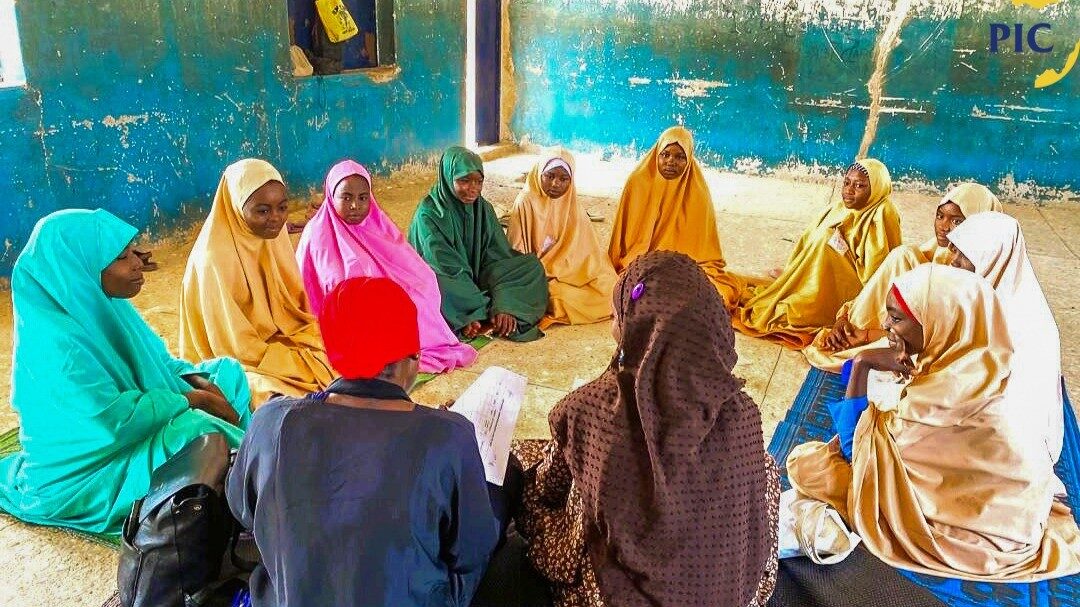
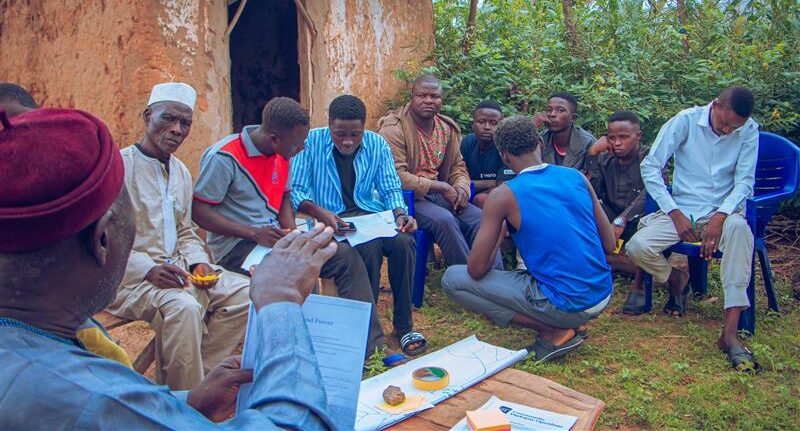
At the Policy Innovation Centre (PIC), with support from the Ford Foundation, we are applying this philosophy in our ongoing gender-based violence (GBV) prevention work across communities in Gombe and Enugu States. Our approach centres on engaging religious and traditional leaders (RTLs) as critical actors in driving change from within.
Why Community-Led Approaches Matter for GBV Prevention
Gender-based violence remains a pervasive global challenge. According to the World Bank, one in three women worldwide experiences GBV in her lifetime, and 35% of women have endured physical or sexual abuse. In Nigeria, nearly 30% of women aged 15–49 have experienced physical or sexual violence. The consequences are profound, ranging from physical injury and depression to an increased risk of suicide.
Given the scale of the problem, one might assume that top-down, externally driven solutions are the most effective response. However, GBV is deeply rooted in social and cultural norms. Addressing it, therefore, requires more than awareness campaigns or policy prescriptions; it demands a deliberate effort to challenge the norms, beliefs, and practices that sustain violence.
This is where community-led approaches become indispensable. Problems that are identified collectively are easier to confront collectively. Recognising this, PIC intentionally adopted a community-led model to tackle GBV, one that places communities at the centre of diagnosis, dialogue, and action.
Conditions for Effective Community-Led Approaches
It is important to acknowledge that not all communities are immediately ready to adopt community-led approaches. As noted by Wessells (2018), such approaches are most effective when three key conditions are present:
- A shared sense that the issue affects everyone (“this affects me”)
- A sense of responsibility to respond (“I have a duty to act”)
- A willingness to prioritize action (“this matters to me”)
When these conditions exist, social change becomes deeply connected to local realities, values, and priorities. Rather than imposing external solutions, communities are empowered to define their own problems, shape their responses, and drive change from within.
In this context, the role of organisations like PIC shifts from directing action to walking alongside communities. This involves building trust, nurturing relationships, and strengthening local capacity so that solutions are not only effective but also owned, relevant, and sustainable.
Principles Guiding Community-Led Approaches
Effective community-led work must be grounded in clear principles. Drawing from Torjman (2012) and Wessells (2018), our approach is guided by the following:
- Working with humility
- Building trust, respect, and relationships first
- Listening actively and without judgment
- Building on existing community strengths, skills, and resources
- Adopting a patient, flexible, and dialogue-oriented approach
- Continuously learning about local context and power dynamics
- Engaging local leaders to co-create governance processes
- Embracing continual learning and reflection on progress
These principles are not abstract ideals; they are practical commitments that shape how we engage communities and design interventions.
How PIC Applied These Principles in Practice
In Gombe and Enugu, these principles have informed our GBV prevention strategies in concrete ways:
- Engaging religious and traditional leaders as agents of change: We worked closely with RTLs, strengthening their capacity to lead community dialogues with men and boys and to challenge harmful traditions from positions of trust and influence.
- Engaging men and boys: Men and boys were actively involved in facilitated dialogues aimed at shifting attitudes, challenging toxic masculinity, and promoting gender equality.
- Integrating GBV messages into religious platforms: RTLs began embedding GBV-appropriate messages into sermons and teachings, extending the reach of prevention messages to wider congregations.
Early Wins and Emerging Change
Early outcomes from this community-led approach are encouraging. Religious and traditional leaders, as well as dialogue participants, are demonstrating a deeper understanding of GBV, its root causes, and its harmful effects on families and communities. Importantly, several participants have voluntarily committed to serve as GBV champions, speaking out against violence and modelling positive behaviours within their communities.
These early signs reflect growing confidence, ownership, and readiness to challenge harmful norms. They also underscore a critical lesson: when prevention efforts are locally led and culturally anchored, they foster transformation, accountability, and the possibility of sustained behavioral change.
Looking Ahead
Community-led approaches remind us that lasting solutions to GBV cannot be imported or imposed. They must be built collaboratively, grounded in local realities, and driven by the very people whose lives are most affected. By walking alongside communities rather than ahead of them, we create space for change that is not only meaningful but also enduring.
As our work continues, these early lessons reinforce our conviction: a violence-free future is possible when communities are trusted, empowered, and supported to lead the way.
Eseoghene Adams