
What Will We Do Differently?
Translating Evidence on Gender Norms into Action for Adolescent Health and Wellbeing
Children learn the rules of being a girl or a boy long before anyone sits them down to explain the rules. They learn them from who is allowed to speak, who makes decisions, what they are expected to do at home, what questions they can ask and what they are encouraged to become.
But what do these expectations actually look like? And how do they shape health and wellbeing outcomes very young adolescents?
These are some of the questions explored by the Nigerian Survey on Gender Norms, Attitudes, Health and Wellbeing, also known as the Very Young Adolescents Survey (VYAS), led by the Policy Innovation Centre with support from the Gates Foundation. The study provides evidence on how gender norms and the social environments around them shape the health, choices and wellbeing of adolescents aged 10–14 across Nigeria.
Implemented across 14 states spanning all six geopolitical zones, the study examines interconnected issues including child marriage, gender-based violence, sexual and reproductive health, HPV vaccination and women’s economic empowerment.
But the value of the findings goes beyond individual statistics. Taken together, they help us see how young people’s experiences are shaped by the environments around them. Now, we have evidence to understand these realities more clearly. The next step is to translate that evidence into better decisions, programmes and practice.
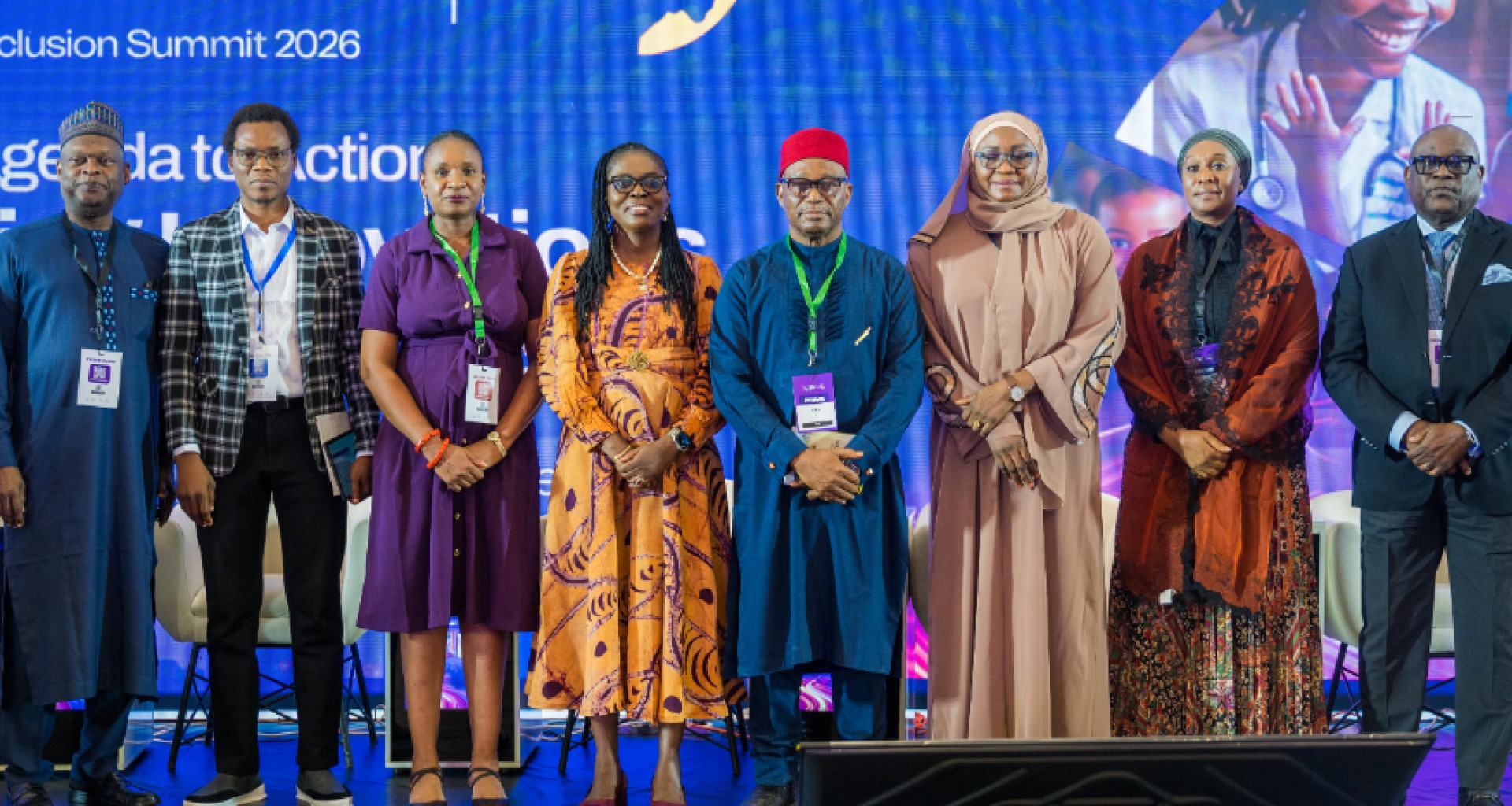
At the Gender and Inclusion Summit 2026, the National Dialogue on Transforming Gender Norms for Adolescent Health and Wellbeing brought key stakeholders together to explore what this evidence means for policy and practice, and how we can move from research findings to actionable solutions for adolescents in Nigeria.
Here are Six (6) Critical Actions Required to Translate Evidence into Measurable Outcomes for Very Young Adolescents in Nigeria
1. Start Prevention Before the crisis
If gender norms are already shaping expectations at 10–14, interventions cannot wait until the consequences become visible. Age-appropriate conversations about relationships, bodies, rights, wellbeing, agency and gender expectations need to begin earlier.
2. Adopt Ecosystem-Based Programming
Very Young Adolescents (VYAS) are often placed at the centre of adolescent health interventions, given information about their rights and encouraged to make healthy choices. Effective programs must address the influencers surrounding them, including parents, teachers, peers, and broader community members who shape their decision-making processes.
3. Contextualise Data for Local Realities
National evidence can show patterns but cannot capture every local reality. States and communities need to consider what the findings mean in their own contexts, identify gaps and adapt interventions accordingly.
4. Strengthen Institutional Alignment to Prevent Duplication
To maximize impact and avoid duplication, new evidence-based initiatives should be integrated into existing government frameworks. Rather than operating as parallel, or siloed programmes, partner coordination forums can play a key role in reviewing new data, identifying which existing programs align with the findings, and tying new efforts into ongoing work to maximize resources
5. Integrate Specialized Mental Health Support
Establish dedicated mental health models, involving psychologists and psychiatrists, to support adolescents suffering from trauma, recognizing this as a crucial, often overlooked health determinan
6. Treat Adolescents as Participants, Not Just Beneficiaries
Young people are often positioned as beneficiaries of programmes designed by adults, despite having valuable knowledge of the environments in which those programmes operate. Their experiences can reveal barriers, gaps and unintended consequences that may not be visible through data alone. Meaningful participation requires more than asking young people for their opinions after decisions have been made. They should have opportunities to shape the solutions.
What will we do differently?
That is the question policymakers, practitioners and communities must continue to ask as new evidence emerges.
To learn more about the Very Young Adolescents Survey (VYAS), click here.
For deeper insights from the discussion, watch the full session: