

Academic Conference
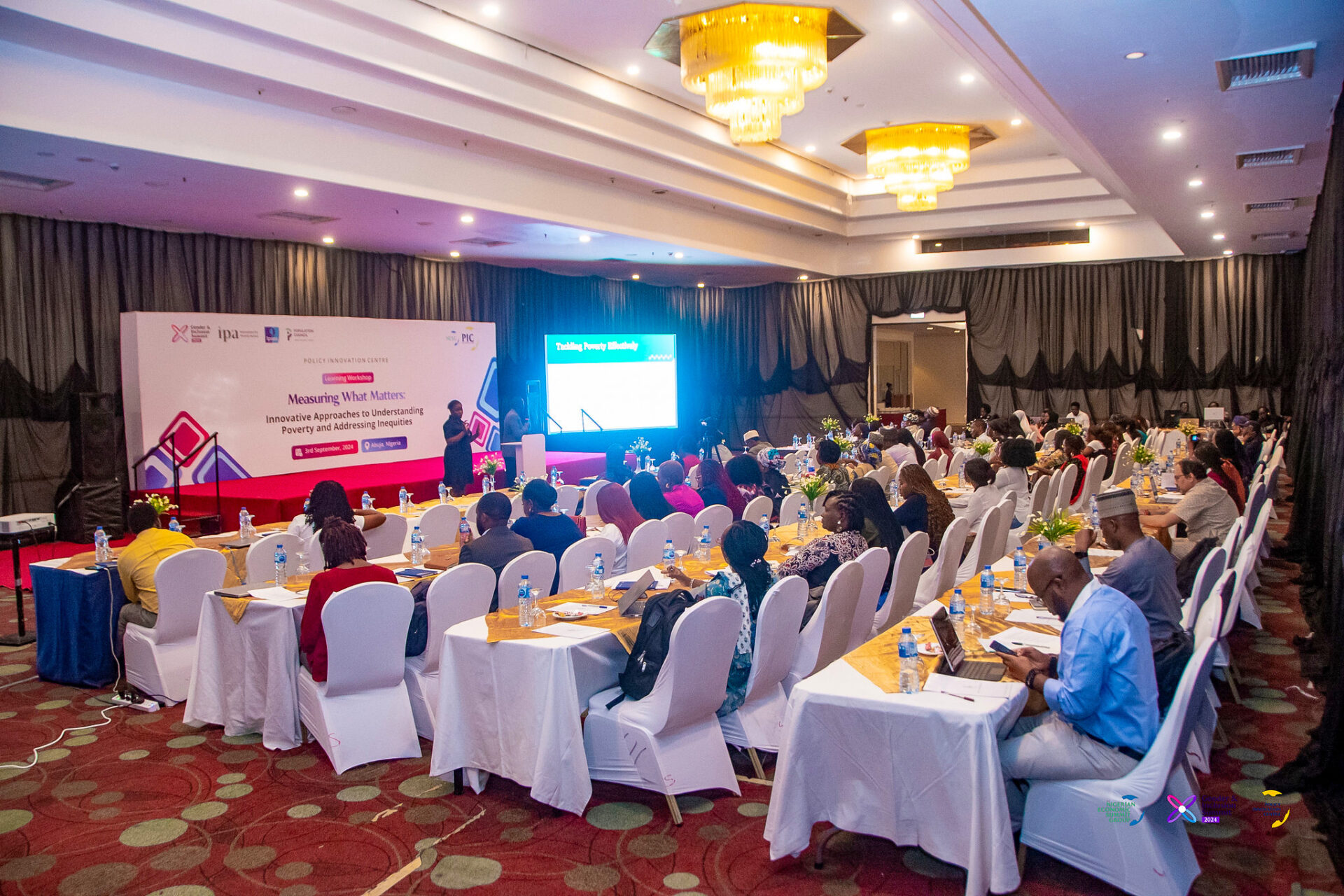
From Agenda to Action: Making Innovations Count for the Last Mile
Date: September 7, 2026 Venue: National Institute For Legislative and Democratic Studies (NILDS), Abuja
The GS26 Academic Conference is where research meets practice, policy, and innovation. Bringing together academics, industry leaders, policymakers, development practitioners, and innovators, the conference will explore practical solutions for advancing inclusive development and ensuring innovations reach the last mile.
Conference Tracks
Focus: This thematic stream explores the institutional, social, and political dimensions of gender inequality. Contributions may engage with gender-responsive governance, women’s leadership and political participation, legal and policy reform, gender budgeting, issues around gender-based violence, unpaid labor, social norms, masculinities, and transformative approaches to gender justice.
Focus: This area focuses on the structural and systemic inequalities that continue to exclude marginalized populations from development gains. Submissions may address issues relating to rural exclusion, disability inclusion, intersectional inequalities, conflict-affected populations, social protection systems, equitable service delivery, and justice-oriented approaches to development.
Focus: This thematic area welcomes submissions on equitable and inclusive approaches to health and human development. Topics may include maternal and child health, nutrition systems, mental health, community health models, healthcare access disparities, preventive health systems, digital health innovations, and broader questions of wellbeing and human capability.
Track 4: This area interrogates the role of knowledge in shaping development practice and public policy. Contributions may explore research uptake, knowledge translation, interdisciplinary collaboration, decolonizing knowledge production, African-centered development frameworks, ethics of development research, university-policy engagement, and the role of evidence in decision-making processes.
Focus: In this stream, contributions may address issues around climate adaptation, food systems resilience, sustainable agriculture, energy access, environmental justice, urbanization, transportation systems, rural connectivity, and resilient infrastructure for vulnerable populations.
Focus: Recognizing both the opportunities and risks associated with emerging technologies, this area welcomes contributions on digital governance, artificial intelligence and inclusion, data justice, ethical innovation, digital inequalities, civic technologies, inclusive digital infrastructure, and the implications of technological transformation for underserved populations.
Why Attend?
- * Connect with leading scholars, policymakers, and industry experts.
- * Learn how research and innovation can drive real-world impact.
- * Gain insights into evidence-based approaches for inclusive development.
- * Build partnerships across academia, industry, and policy spaces.
- * Contribute to shaping actionable recommendations for last-mile communities.
- * Opportunities to present research (Oral/Postal)

What to Expect
*
Interactive Learning Workshops
Engaging plenary sessions designed to strengthen participants’ knowledge and practical skills.
*
Expert Panel Discussion
A cross-sector conversation on how academia, industry, and policy actors can collaborate to accelerate inclusive development and create lasting impact.
*
Breakout Sessions
Thematic presentations and discussions where participants will share evidence, exchange ideas, and contribute to advancing the last-mile agenda
*
Networking Opportunities
Meaningful engagement with researchers, practitioners, innovators, and decision-makers committed to transforming ideas into action.
*
Keynote Address
A high-level keynote exploring the conference theme and the future of inclusive innovation.

Call for Abstracts
The GS-26 Academic Conference invites submissions from individuals and organisations whose work aligns with conference thematic areas.
Contact: academicconference@policycentre.org

The Policy Innovation Centre (PIC) is the first national institutionalized behavioral initiative in Africa supporting government and stakeholders to make behaviorally informed decisions and generate evidence for impact driven interventions in critical thematic areas.
WHERE WE WORK
What We Do
+234 913 957 8643
info@policycentre.org
ABUJA OFFICE
Plot 1524, Cadastral Zone B08, Jahi District, FCT Abuja.
LAGOS OFFICE
294 Borno Way, Alagomeji-Yaba, Lagos.
KANO OFFICE
Suite 4, Binta Dan Baffa Plaza, Ahmadu Bello Way, Kano
EDO OFFICE
2nd Floor Exquisite Plaza, #5 Evbuomwan Close, Etete GRA, Benin City.
Copyright 2025 – Policy Innovation Centre (PIC)