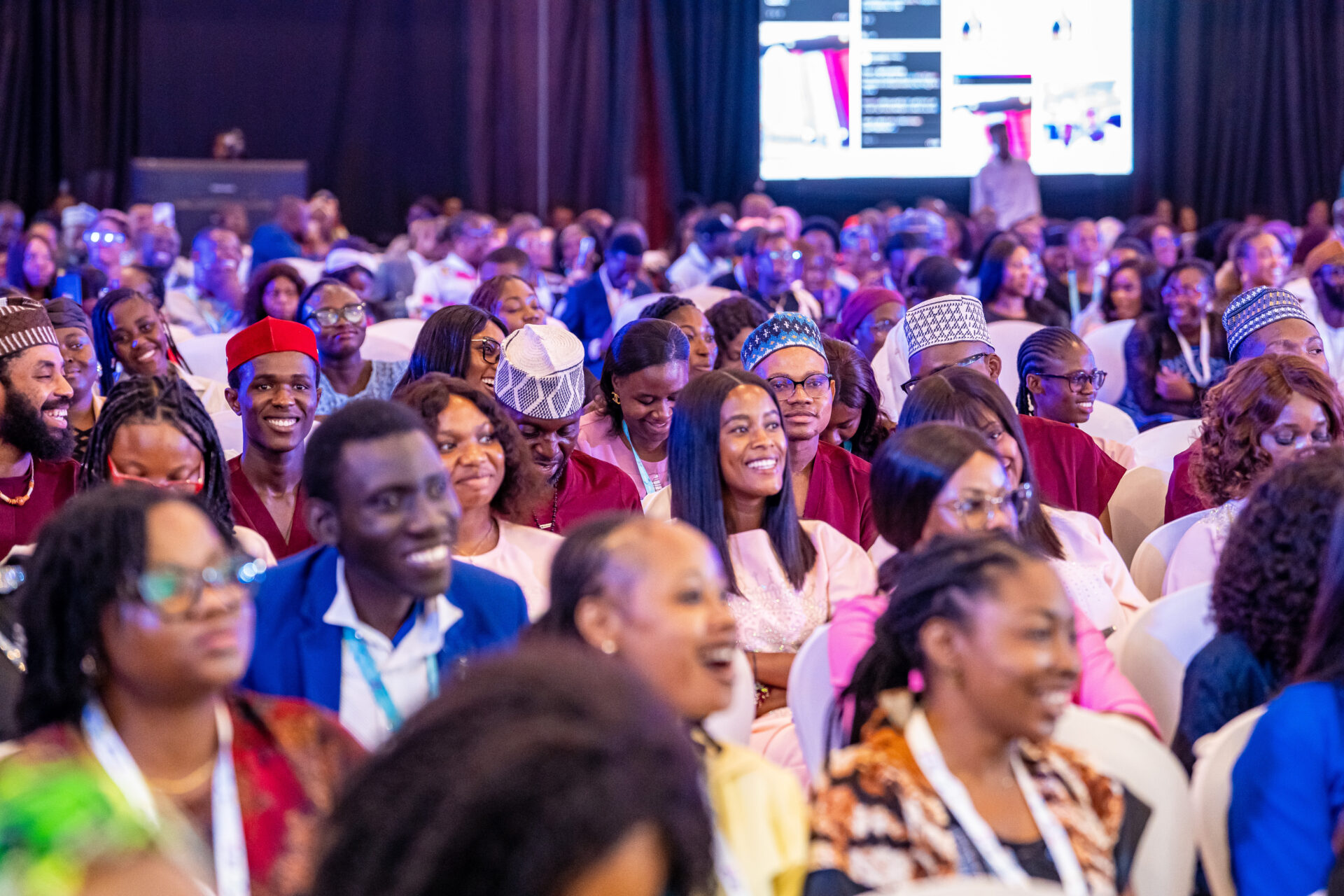
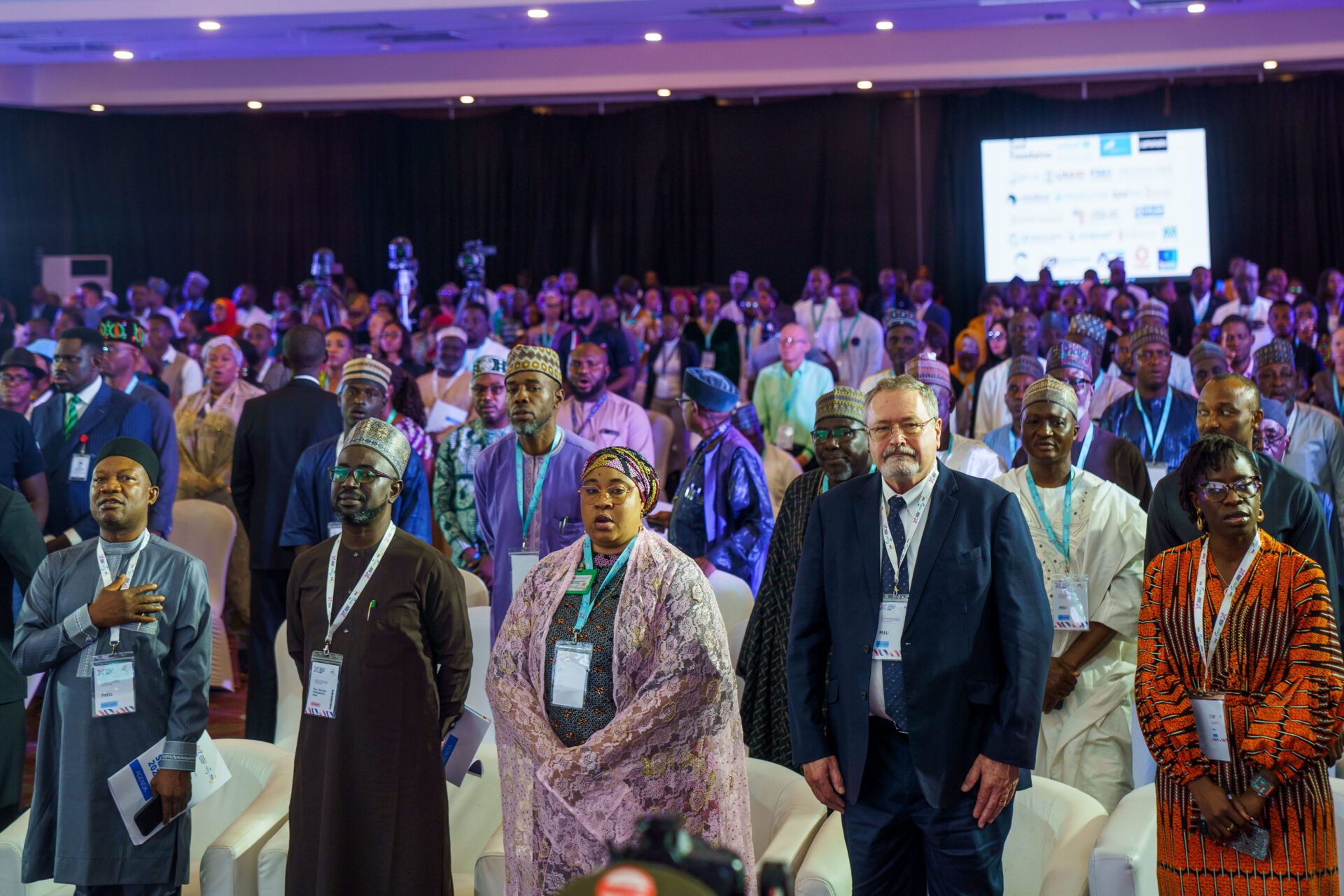
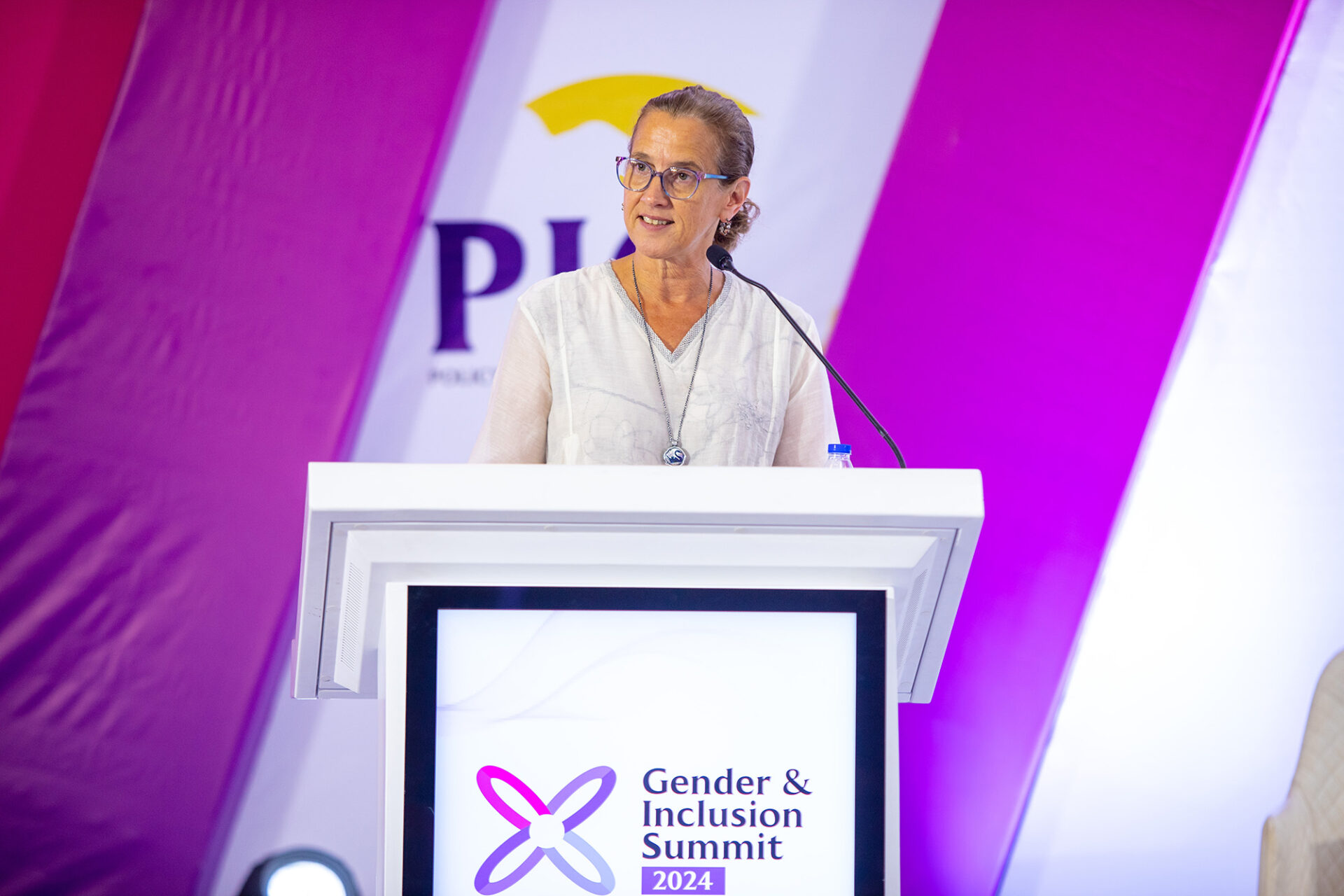
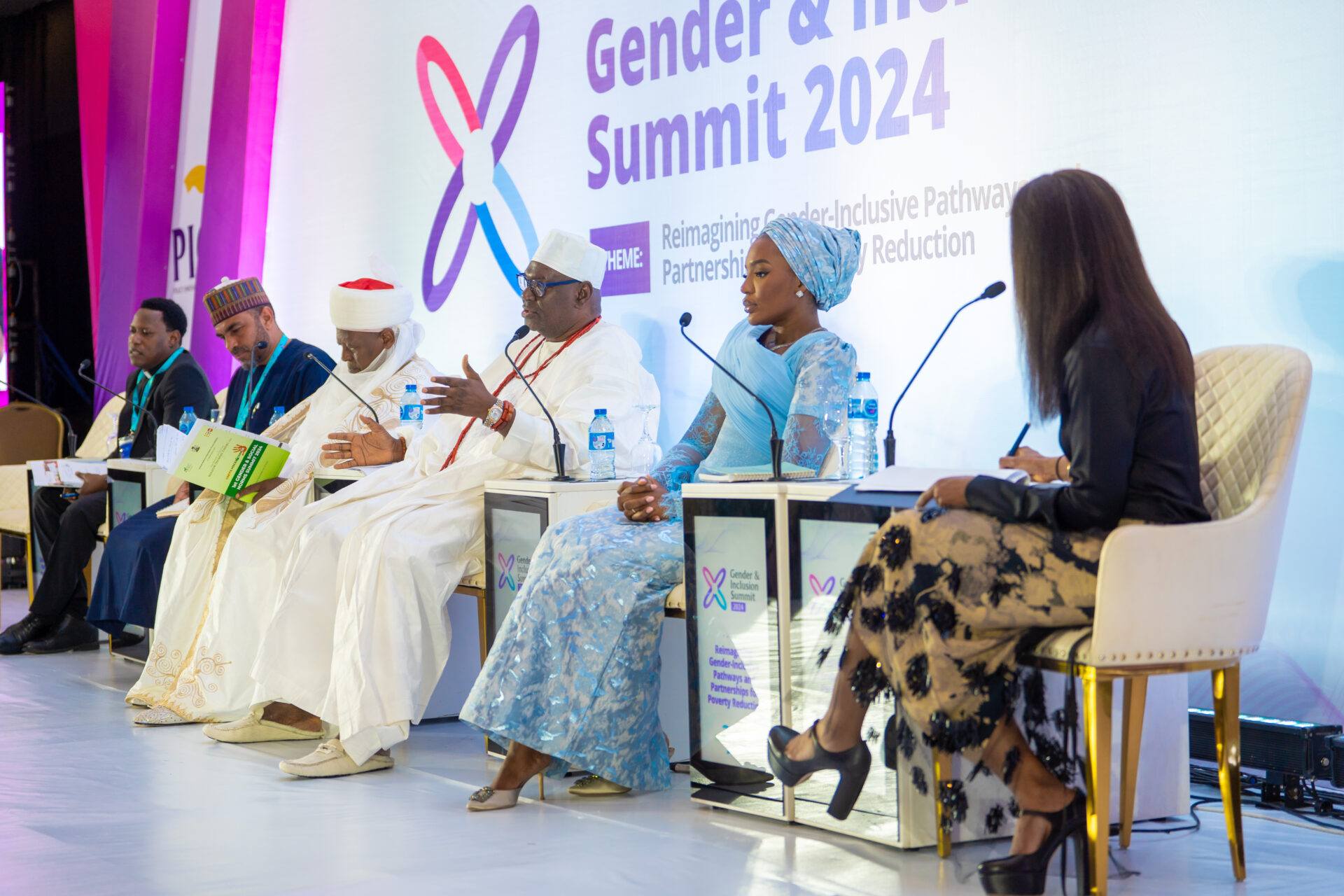
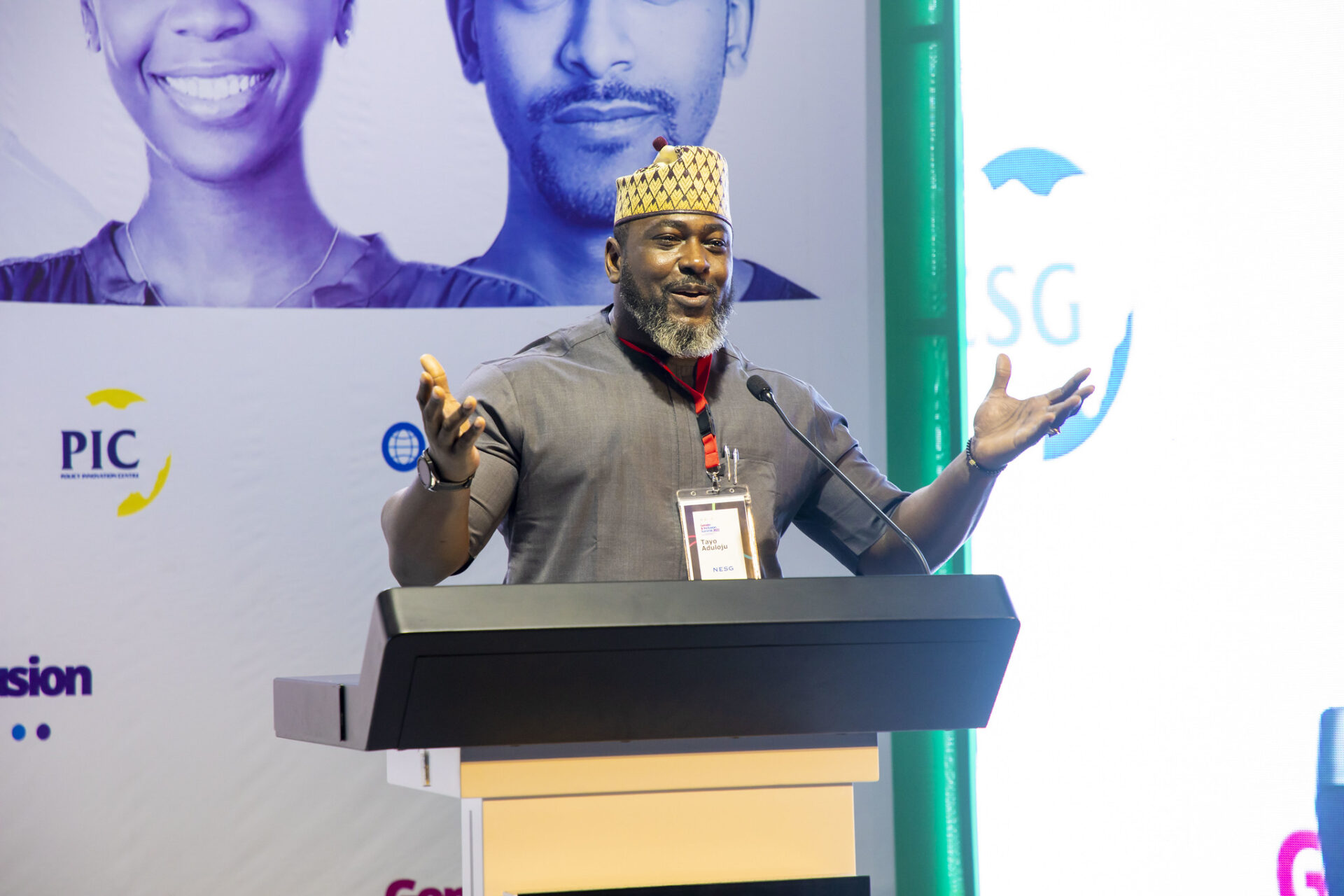
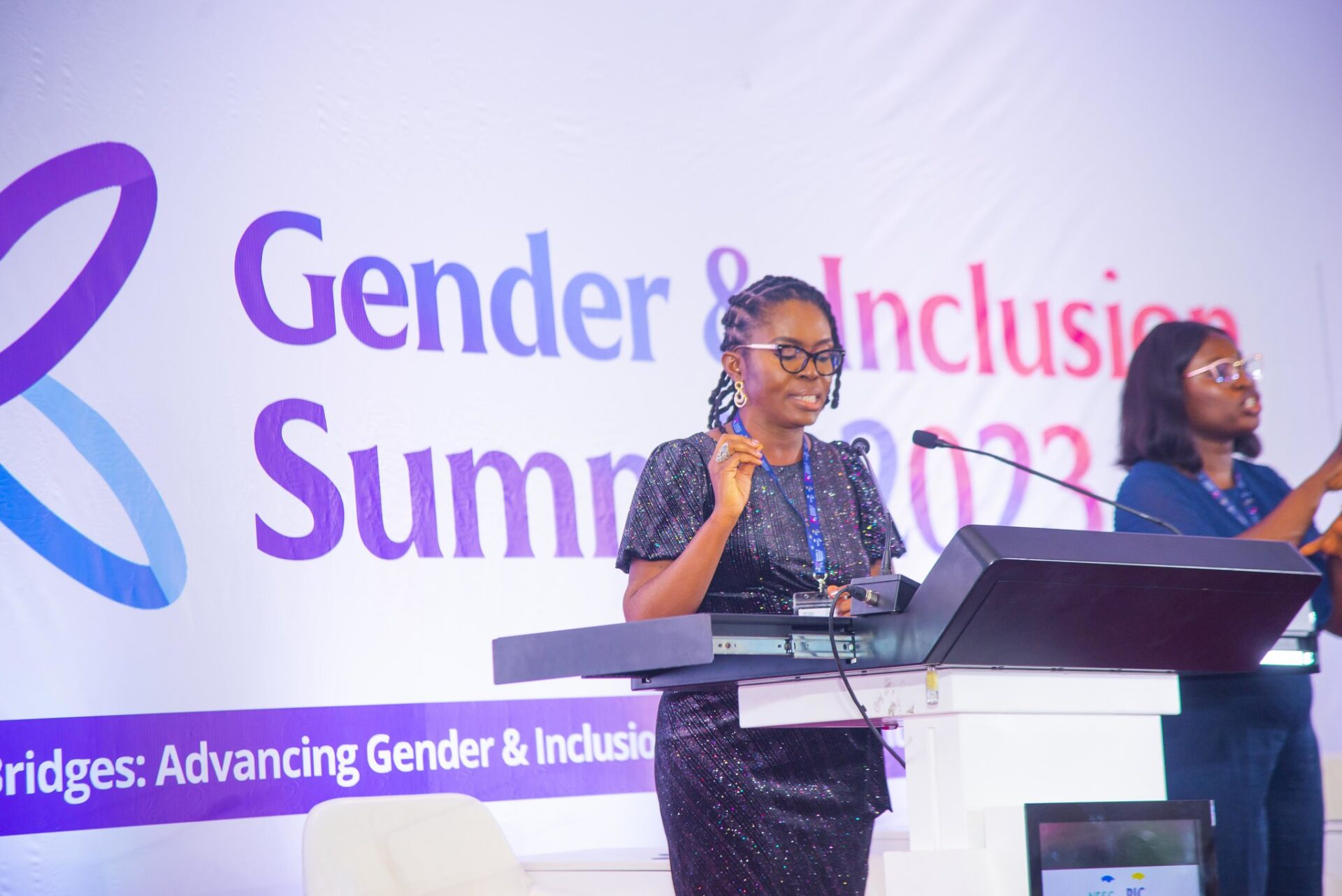
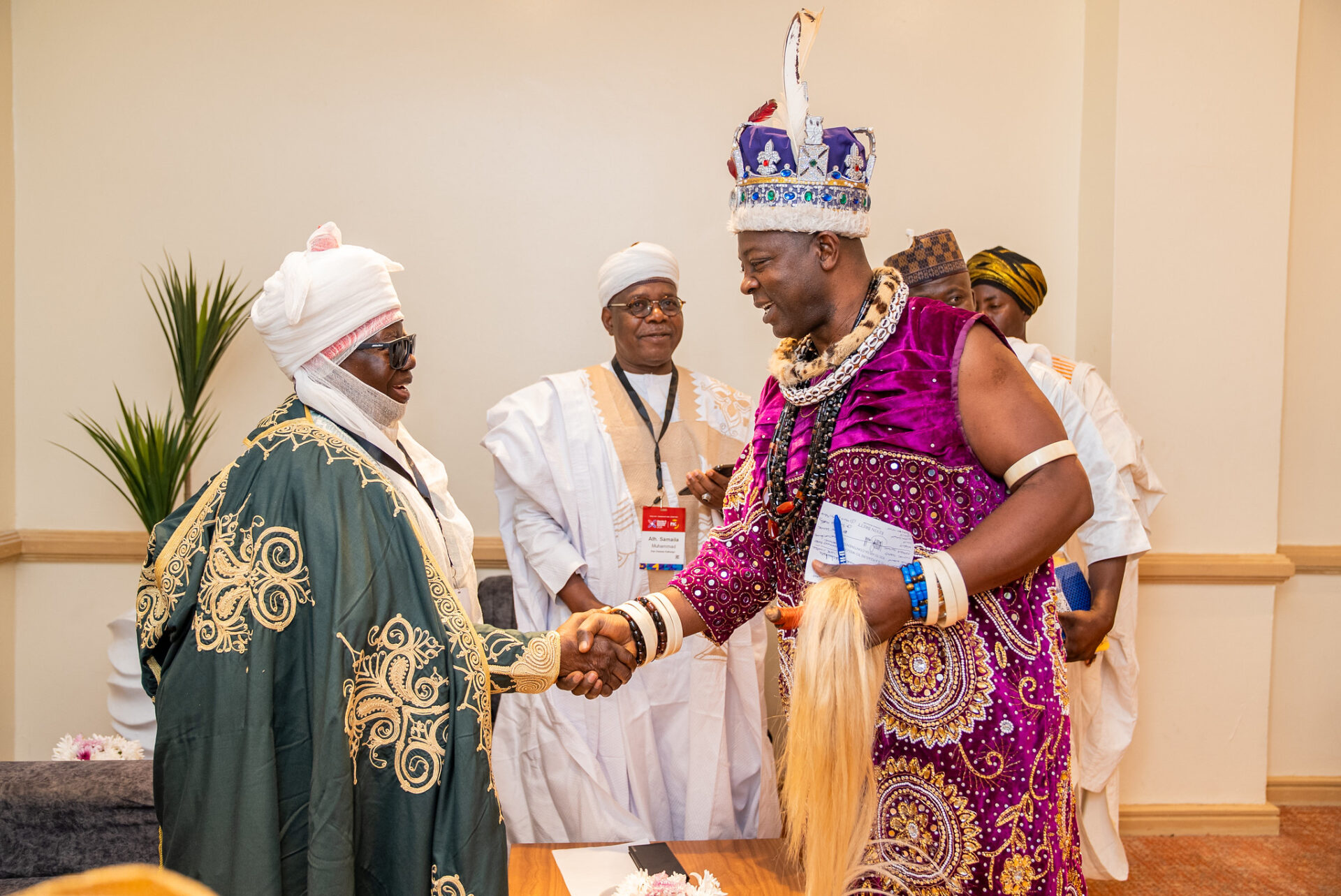
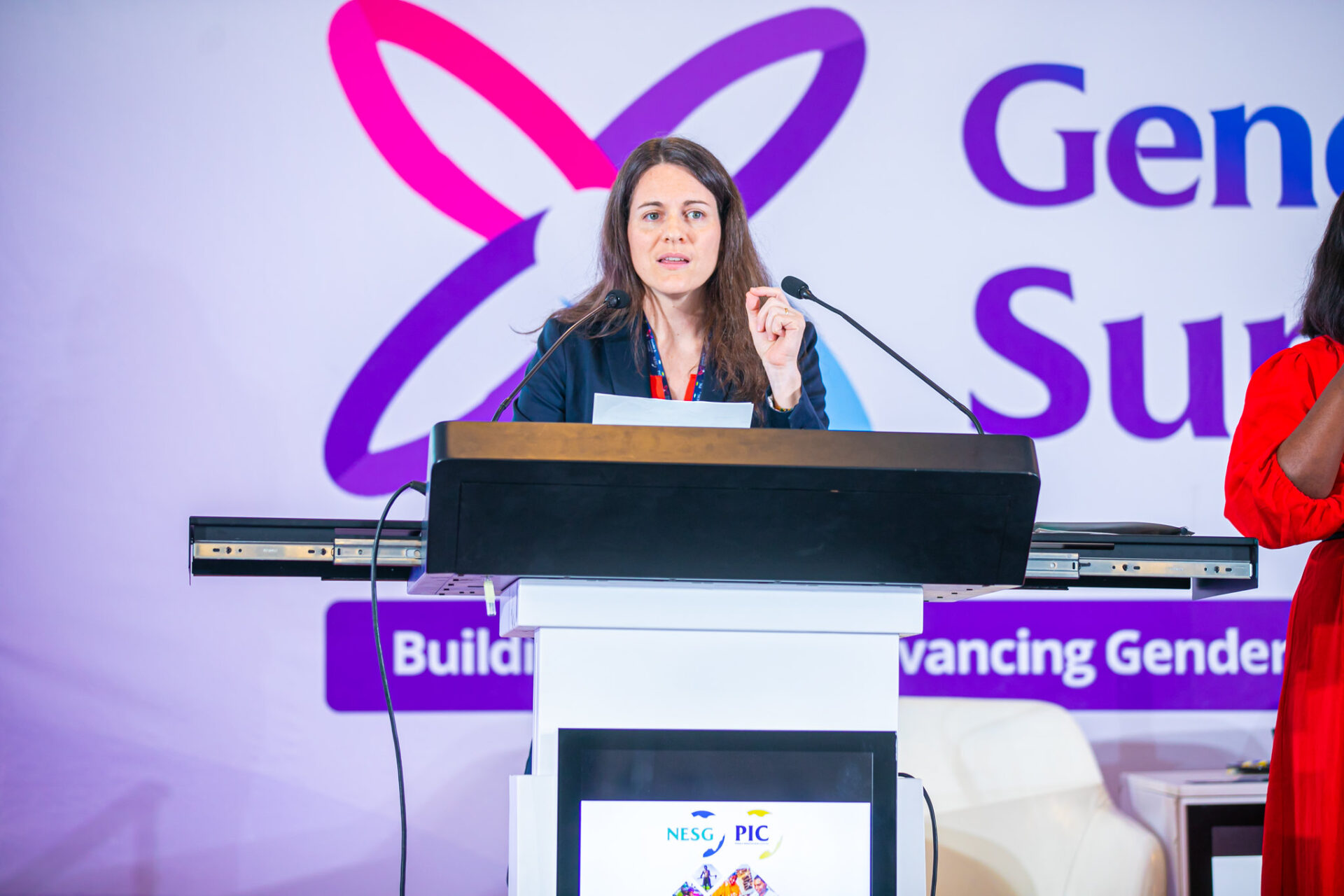
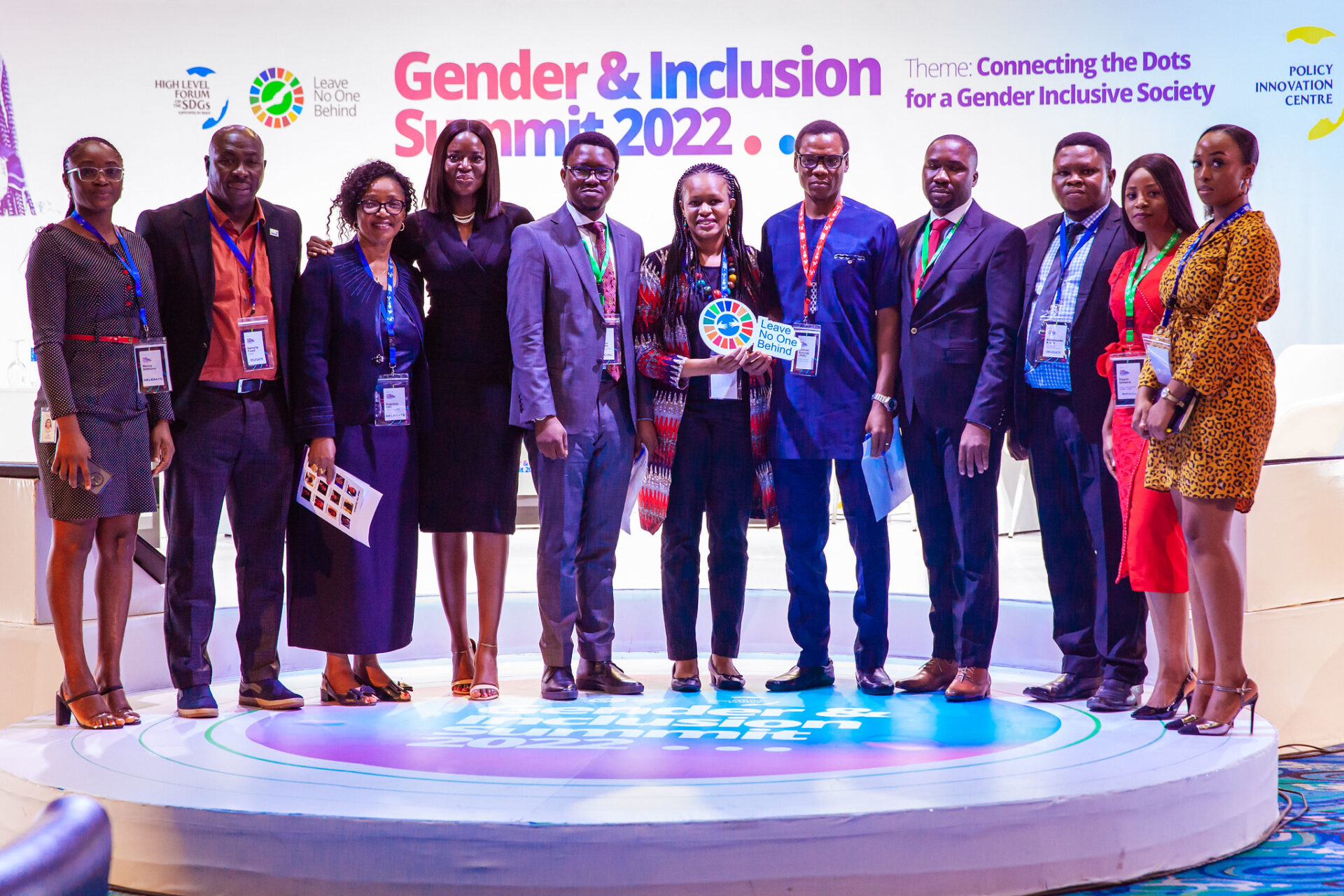
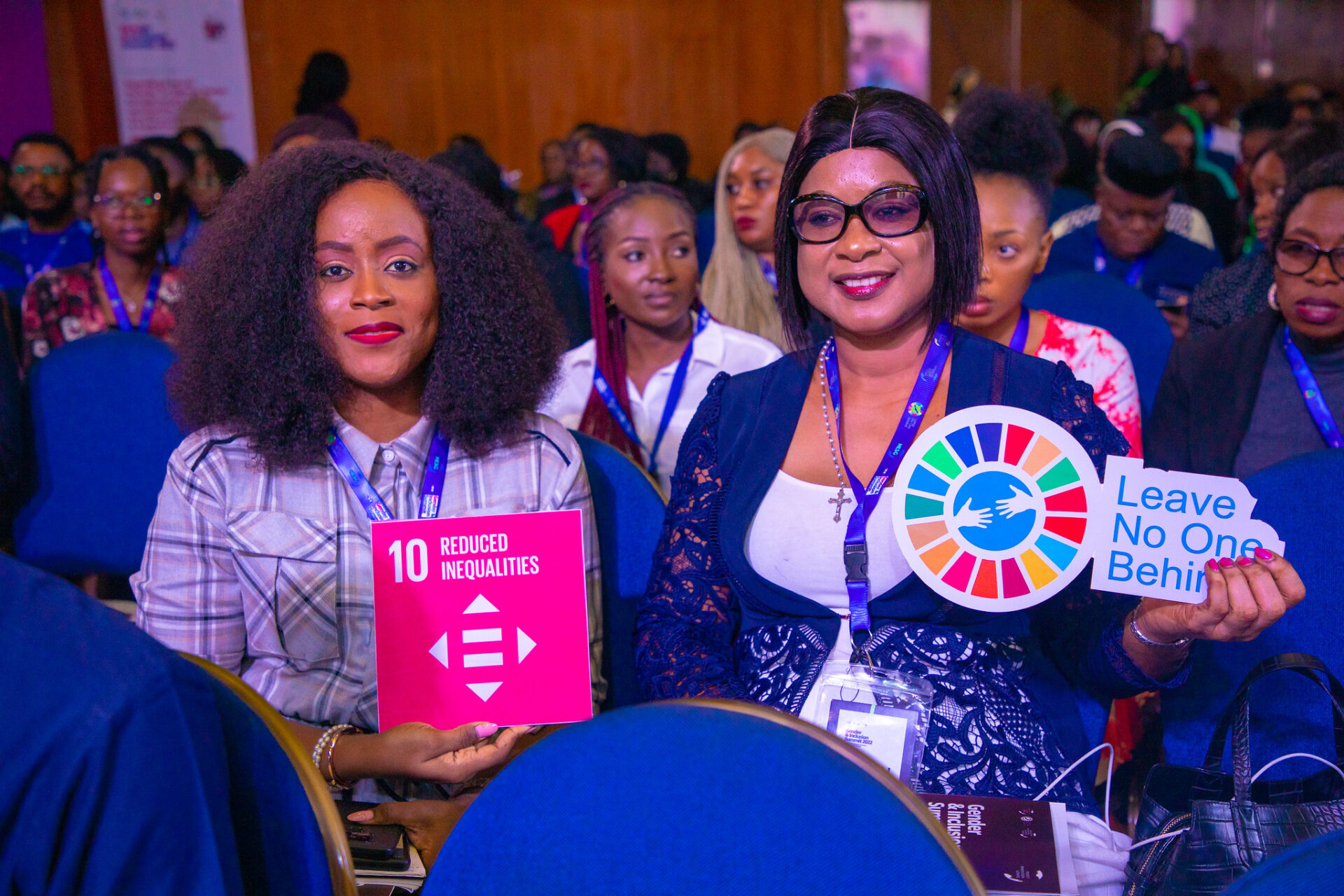
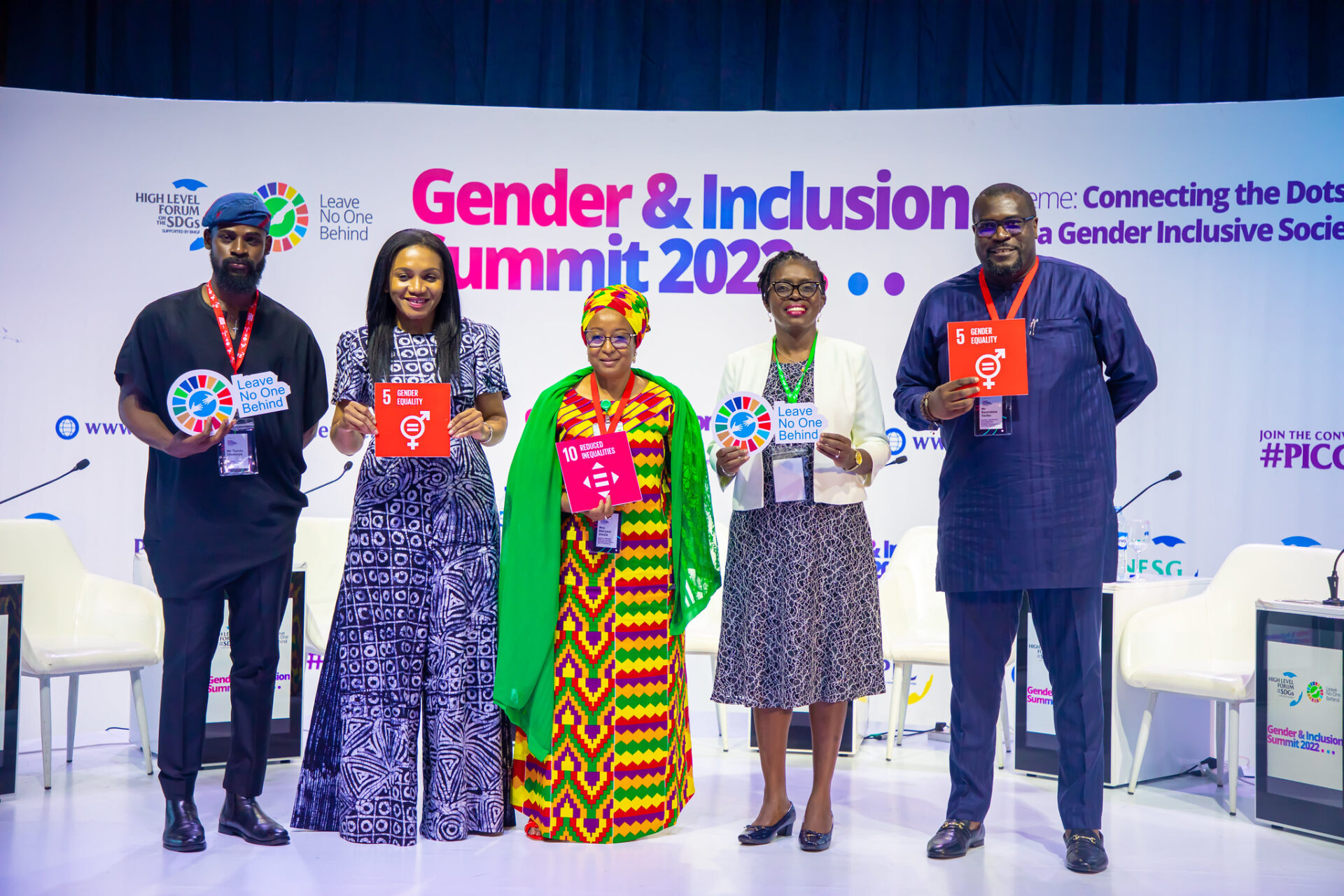
Africa’s Largest Platform for Advancing Gender Equity and Social Inclusion. Conceived in 2022, the Gender and Inclusion Summit has quickly become a leading platform dedicated to advancing gender-responsive governance across Africa.
GS-26 is built around six high-impact forums that drive the Summit’s action agenda. Each forum brings together decision-makers, innovators, and practitioners to turn ideas into partnerships, commitments, and practical solutions. Through focused dialogue and collaboration, the forums accelerate innovations that deliver measurable, gender-responsive impact.
Focus: Prevention |Justice | Survivor Services | Social Norms
This forum brings together government, civil society, justice, and security leaders to strengthen GBV prevention and response. It advances survivor-centred solutions, innovative reporting tools, and community-led approaches to improve accountability and expand access to protection services.
This forum convenes policymakers, private sector leaders, and innovators to advance women’s economic participation and leadership. It drives scalable solutions, practical roadmaps, and financing pathways that strengthen livelihoods and expand opportunities for women and youth.
Focus: Maternal Health | Child Nutrition | Reproductive Health | Last-Mile Care | Adolescent Health
Focused on strengthening maternal and child health systems, this forum showcases policies and innovations that improve access, quality, and continuity of care, especially for rural, low-income, and conflict-affected communities.
Designed to turn bold ideas into real-world impact, this forum showcases innovations across health, climate, mobility, GBV, and digital inclusion. Through investor pitches and curated Deal Rooms, it connects innovators with partners to accelerate funding, adoption, and scale.
Focus: Digital Inclusion | AI & Data Equity | EdTech | Digital Finance
This forum explores how inclusive digital infrastructure and responsible innovation can bridge the gender digital divide. It highlights AI governance, data equity, and digital finance solutions that expand access and opportunity for underserved communities.
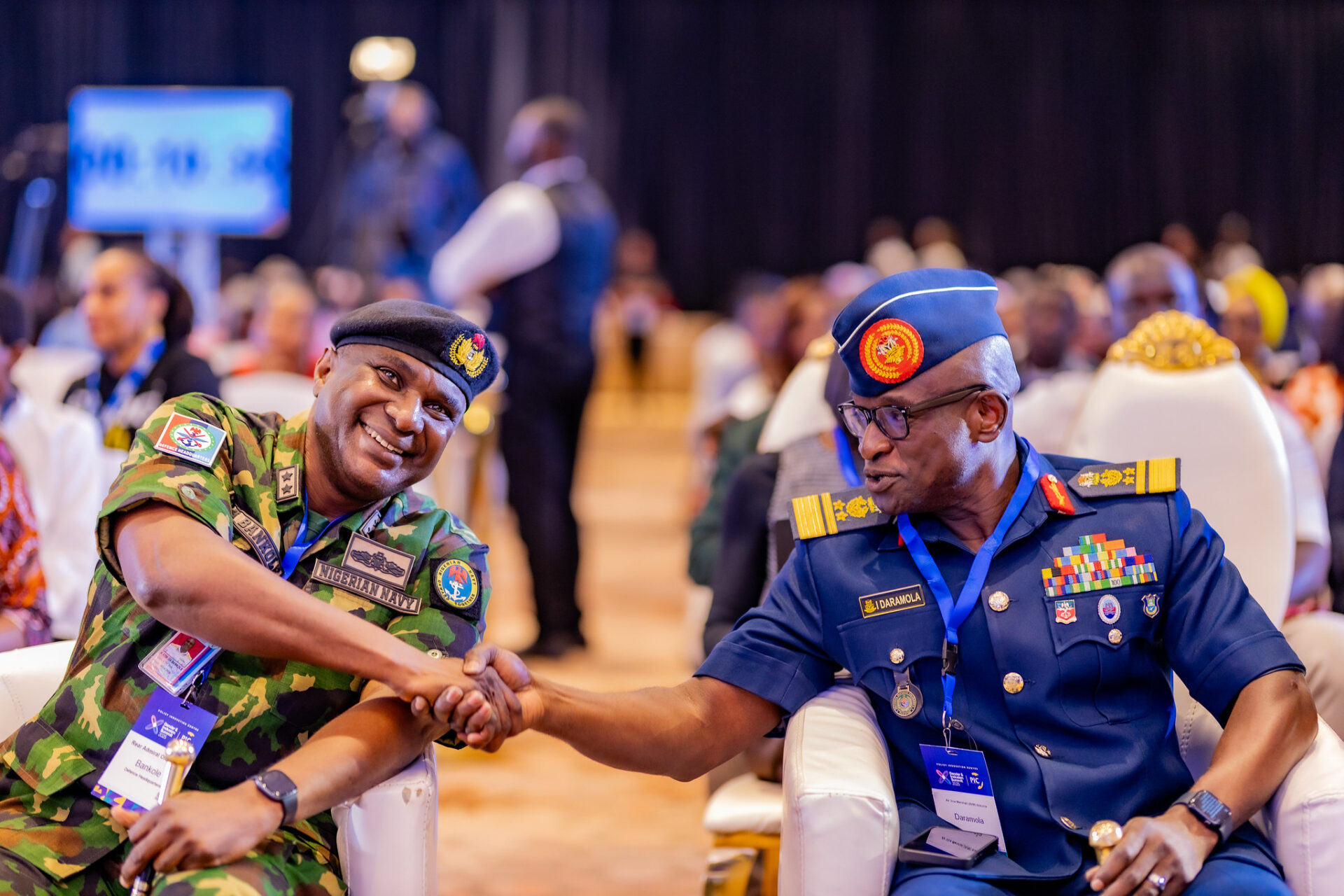
Focus: Public Safety | Civil-Military Collaboration | Community Security
Centered on safer, more resilient communities, this forum explores inclusive security approaches that protect women, youth, and vulnerable groups. It advances solutions such as early warning systems, digital reporting, and community protection models to strengthen safety and coordinated response.
Prevention & Response Systems • Access to Justice • Survivor-Centred Services • Social Norms Change
This track focuses on collaborative solutions that strengthen GBV prevention and response, expand access to services for survivors, and promote meaningful male engagement.
Decent Work • Digital Tools • Access to Markets & Finance • Green Jobs • Legal Reforms
Driving inclusive economic growth, this track explores innovative livelihood opportunities for women and marginalized groups while advancing pathways to sustainable employment through inclusive policies and enabling reforms.
Safe Pregnancy • Childbirth • Maternal Health • Child Nutrition
This track advances digital solutions, stronger community health systems, and improved referral pathways to enhance maternal and child health outcomes while reducing child malnutrition.
Girls’ Access to Quality Learning • STEM • Digital Skills • School-Related GBV
Focused on expanding access to quality education for every learner, this track promotes inclusive learning innovations, including EdTech, community learning hubs, and STEM pathways that equip girls with the skills to thrive.
Climate-Smart Agriculture • Women’s Access to Climate Finance • Land • Green Technology
Building climate-resilient food systems, this track prioritizes solutions that expand women’s access to land, climate finance, and green technologies while strengthening adaptive strategies for rural and smallholder farmers.
Safe, Accessible Mobility • Inclusive Transport Systems • Rural Connectivity • Women’s Safety
This track advances policies and reforms that promote inclusive transport systems, improve women’s safety and mobility, strengthen rural connectivity, and expand equitable access to safe, reliable transportation.
Protection & Safety in Public Spaces • Civil-Military Engagement • Conflict-Responsive Service Delivery • Community-Level Security Architecture
This track promotes community-driven security approaches, gender-responsive policies, and inclusive civil-military coordination to strengthen public safety and protect women, youth, and vulnerable populations.
Join a growing movement advancing inclusive development, gender-responsive leadership, and equitable opportunities across Africa. Partnering with GS-26 supports long-term systems, policies, and community-driven solutions that strengthen inclusion across Nigeria and Africa.
The Summit is open to every individual and organizations committed to building a more inclusive society.
Policymakers & Govt. Officials
Development Partners
NGOs & CSOs
Academics & Students
Media & Creatives
Private Sector Leaders
Youth Leaders
Visa Guidance for Foreign Delegates
This guidance is for delegates travelling to Nigeria for the Gender and Inclusion Summit 2026, hosted by the Policy Innovation Centre in Abuja. It summarises who needs a visa, which visa to apply for, the documents required, and when to begin the process. Delegates should confirm current requirements on the official Nigeria Immigration Service portal and apply early.
Engaging sessions designed to set the tone for GS-26. These breakfast shows, webinars feature expert panels, thought-provoking discussions, and early insights into key themes—offering participants a chance to connect, learn, and contribute before the main event.
02
In-Person Sessions
Dynamic, interactive sessions held during the Summit in Abuja. These include plenaries, breakout discussions, workshops, exhibitions, and creative showcases that bring diverse voices together to shape inclusive policies and practices.
03
Post-Summit Projects
Action-oriented initiatives launched after GS-26 to advance outcomes from the Summit. These projects include the Purple Book, community programs, and policy toolkits to extend the impact of discussions into real-world change.
GS 26 - FAQ
Frequently Asked Questions (FAQ)
What is the Gender and Inclusion Summit (GS)?
Gender and Inclusion Summit is a pan-African convening that brings together global and national policymakers, business leaders, development partners, civil society leaders, and scholars to generate innovative ideas and propose actionable solutions for inclusive growth across Africa.
When is GS26 happening?
The GS-26 will be held from September 7th – 9th, 2026, at the Abuja Continental Hotel, Nigeria, as a three-day convening designed to move stakeholders decisively from agenda to action.
Is attendance Virtual or In-Person
The GS26 is a hybrid summit
How can I get Access to attend the Summit?
Tickets are available online via the official website (policycentre.org). Options include attendee passes, exhibitor booths, or sponsorship packages. Registration is typically required in advance, with details on pricing and access on the site.
Why is GS-26 introducing paid registration when previous Summits were free?
Over the past five years, the Gender & Inclusion Summit has grown from a national convening into a leading pan-African platform bringing together policymakers, innovators, researchers, development partners, private sector leaders, and grassroots actors. Introducing a paid registration model will help sustain the quality of the Summit experience, strengthen accessibility services, support innovation showcases, and expand opportunities for meaningful engagement and implementation-focused outcomes. Kindly note that the registration serves as a commitment fee.
Is the Summit becoming a commercial event?
No. GS-26 remains a mission-driven platform committed to advancing gender equity, inclusion, and sustainable development. Registration fees help cover the costs of delivering a high-quality experience and supporting participation from underserved groups through scholarships and inclusion support mechanisms.
Will there still be opportunities for people who cannot afford to pay?
Yes. GS-26 is committed to ensuring that cost does not become a barrier to participation. An Inclusion registration waiver will be available for selected participants, including students, young professionals, persons with disabilities, grassroots leaders, community-based organizations, and innovators.
Who is eligible for a registration waiver?
Registration Waivers are intended for individuals who demonstrate a strong commitment to gender equity, inclusion, innovation, research, community development, or social impact, but who may face financial barriers to participation.
Priority may be given to:
* Students
* Persons with disabilities
* Grassroots and community leaders
* Academics
The Policy Innovation Centre (PIC) is the first national institutionalized behavioral initiative in Africa supporting government and stakeholders to make behaviorally informed decisions and generate evidence for impact driven interventions in critical thematic areas.