

Insights from the Gender-Based Violence Forum at GS26
What happens after someone speaks out about gender-based violence?
For many survivors, speaking out is only the beginning. They may still face disbelief, difficulty reporting abuse, limited access to safe shelter, or uncertainty about how to support themselves and their children. When services are fragmented or out of reach, the distance between a promise of protection and the help a survivor can actually access remains wide.
These realities were at the centre of the Gender-Based Violence Forum at the Gender and Inclusion Summit 2026 (GS26), themed “From Agenda to Action: Making Innovations Count for the Last Mile.” Survivors, frontline organisations, government representatives, traditional leaders and other stakeholders considered how to turn policies and programmes into practical support.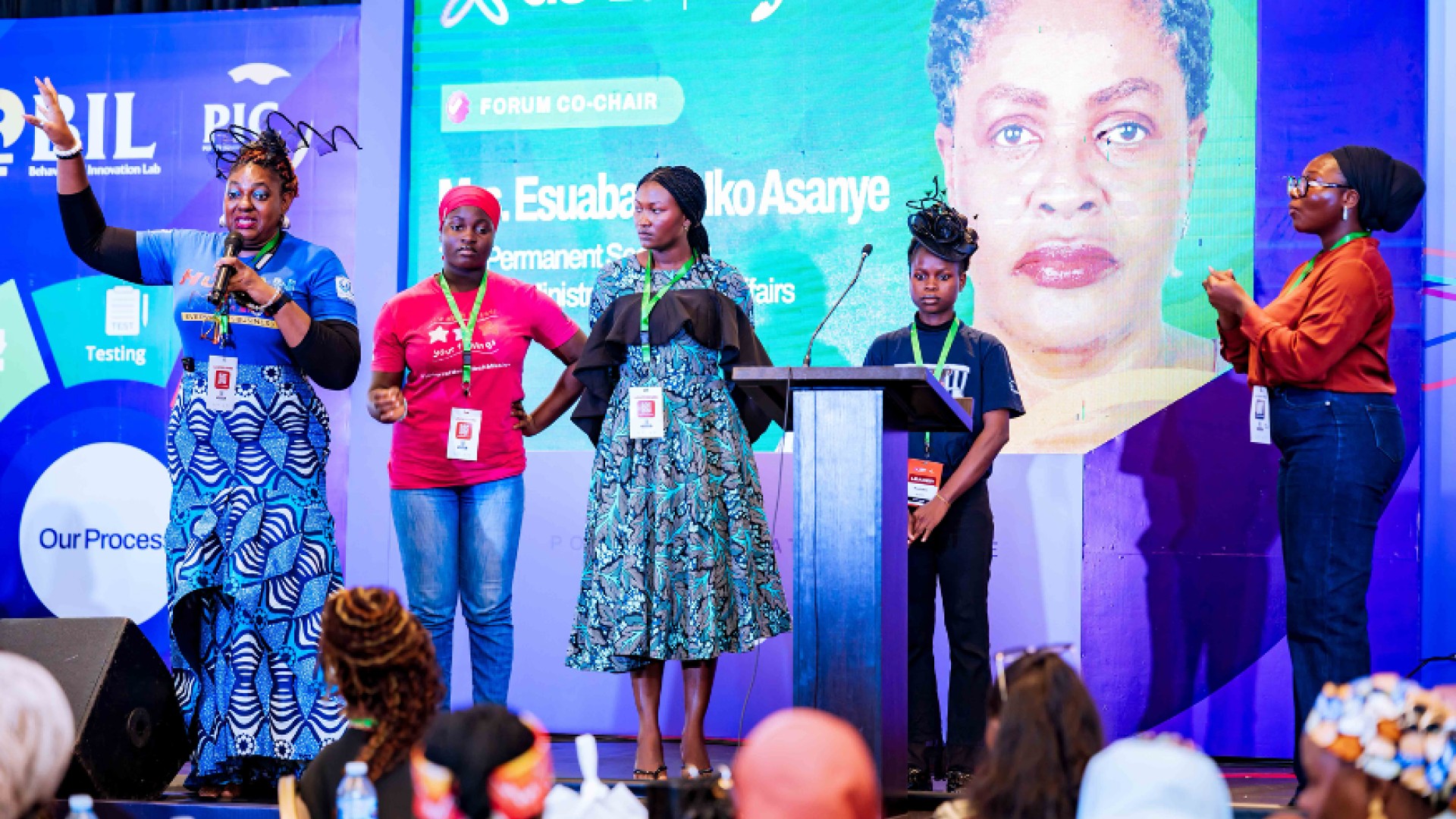
The stories shared at the forum by stakeholders highlighted the challenge of supporting survivors beyond a short-term stay, covering basic costs and helping people find a safe path forward. Participants also discussed gaps in reporting, justice, prevention, and responses to technology-facilitated violence.
Together, these challenges show the distance that can exist between a commitment to protect survivors and their ability to access safety, justice and support. Closing this gap will require coordinated action.
Here are some priorities that emerged from the discussions.
1. Strengthen Coordination
Gender-based violence cannot be addressed by one organisation or sector working alone. Survivors may need support from healthcare providers, police, courts, shelters and community organisations. When these services operate in isolation, survivors are left to navigate the gaps themselves.
Stronger coordination across government, civil society and communities can make the journey from reporting to recovery more connected. The focus should be that survivors receive the support they need, not only whether each institution has fulfilled its individual mandate.
2. Put Survivors’ Experiences at the Centre
Statistics can show the scale of GBV, but survivors’ experiences help reveal where systems fall short. At the forum, experiences from the field highlighted the reality survivors waiting months for somewhere to go, facing challenges meeting basic needs and encountering obstacles when seeking help.
Survivor-centred practice means listening to survivors, respecting their dignity and involving them in shaping policies and programmes. Their experiences should help determine what support is offered, how it is delivered, and confirm if it is working.
3. Turn Laws into Protection People Can Access
Nigeria has legal frameworks for addressing GBV, including the Violence Against Persons (Prohibition) Act. However, laws only make a difference when they are implemented and accessible to the people they are meant to protect.
Participants called for existing laws to be reviewed, implementation to be strengthened across states, and survivor-centred practice to be improved throughout the justice system. That means examining the full process; from reporting and investigation to prosecution and correctional services, and addressing the barriers survivors encounter along the way.
4. Prevent Violence by Changing Social Norms
The GBV forum highlighted how silence and social expectations can allow violence to continue. Abuse may be treated as a private family matter, while women and girls are expected to endure it or are blamed when they speak out.
Prevention requires changing the norms that excuse violence and discourage survivors from seeking help. Participants called for gender-transformative approaches, community-level awareness, engagement with men and boys, and collaboration with traditional, religious and community leaders.
5. Ensure GBV Response Keeps Pace with Technology-Facilitated Violence
The forms of GBV that people experience continue to change, but awareness and responses may not keep pace. Participants in the technology-focused discussion noted that people may not know about existing hotlines and referral pathways. They also recommended reviewing laws to ensure they address technology-facilitated violence.
Closing this gap requires both public awareness and clear responses from institutions. People need to know what support is available and how to reach it, while laws and services must be equipped to respond to abuse carried out or amplified through technology.
What Must Change for Survivors to Get the Support They Need?
Policymakers, practitioners, community leaders and partners all have a role to play in making sure support reaches survivors. The forum highlighted the need for better coordination, sustainable services and laws that work in practice.
The real test is simple: can a survivor get protection, justice and support when and where she needs it, including in a rural or hard-to-reach community? That is what it means to close the gap.
Watch the full discussion the at Gender-Based Violence Forum here;